Page 1
Long before digital clocks existed, people still needed to know when to work, travel, pray, meet, or rest.
在数字时钟出现之前很久,人们也一样需要知道什么时候劳动、出行、祭祀、约定或休息。Long before digital clocks existed, people still needed to know when to work, travel, pray, meet, or rest.
在数字时钟出现之前很久,人们也一样需要知道什么时候劳动、出行、祭祀、约定或休息。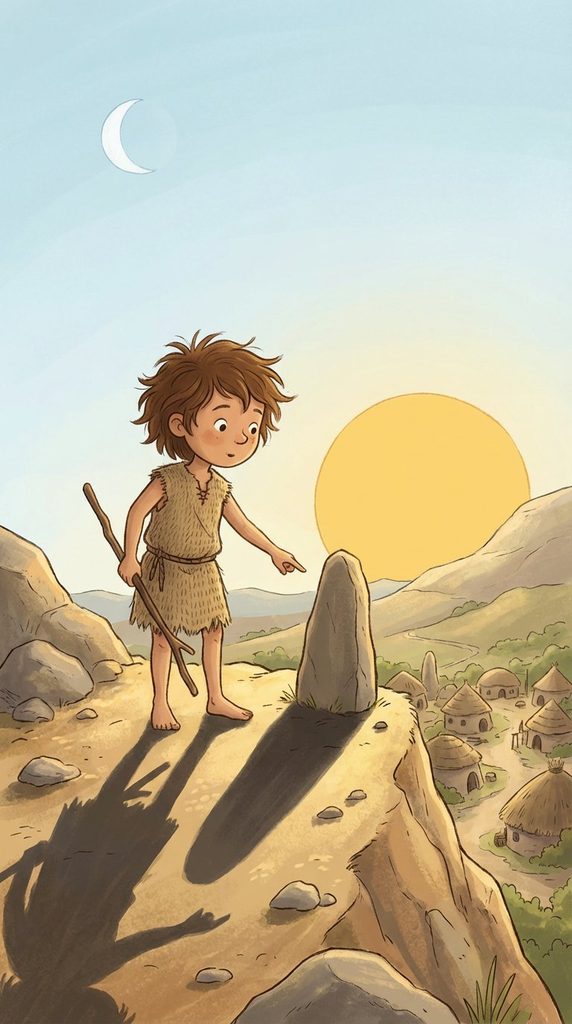
Ancient people first watched repeating patterns in nature, such as sunrise, sunset, shadows, and the changing Moon.
古代人最早会先观察自然里的重复规律,比如日出日落、影子变化和月亮圆缺。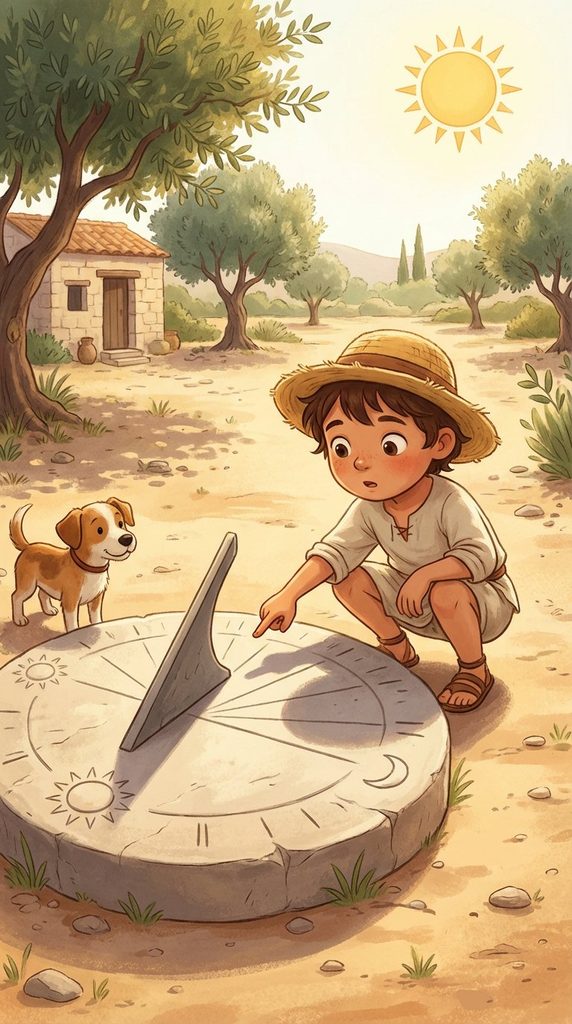
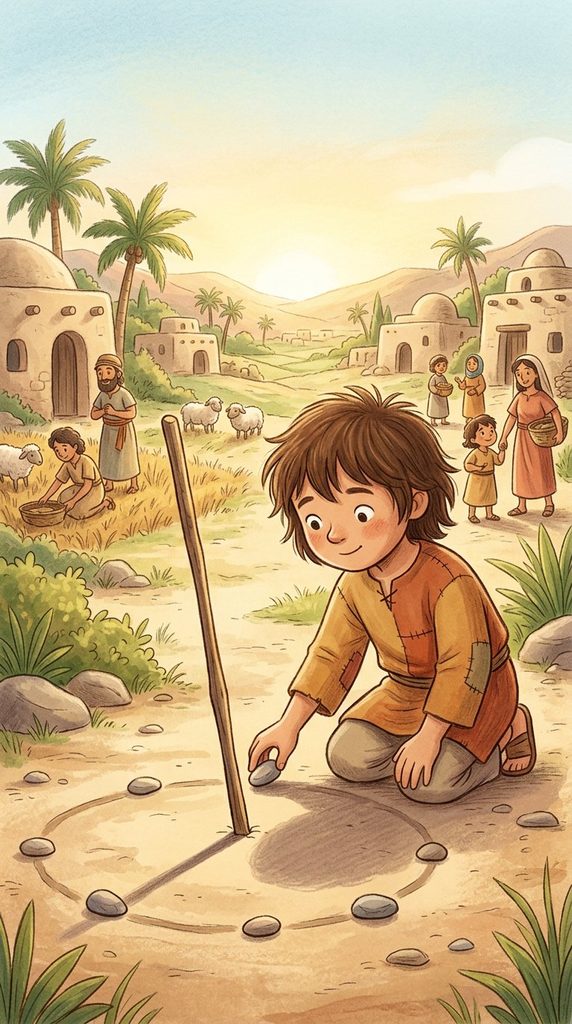
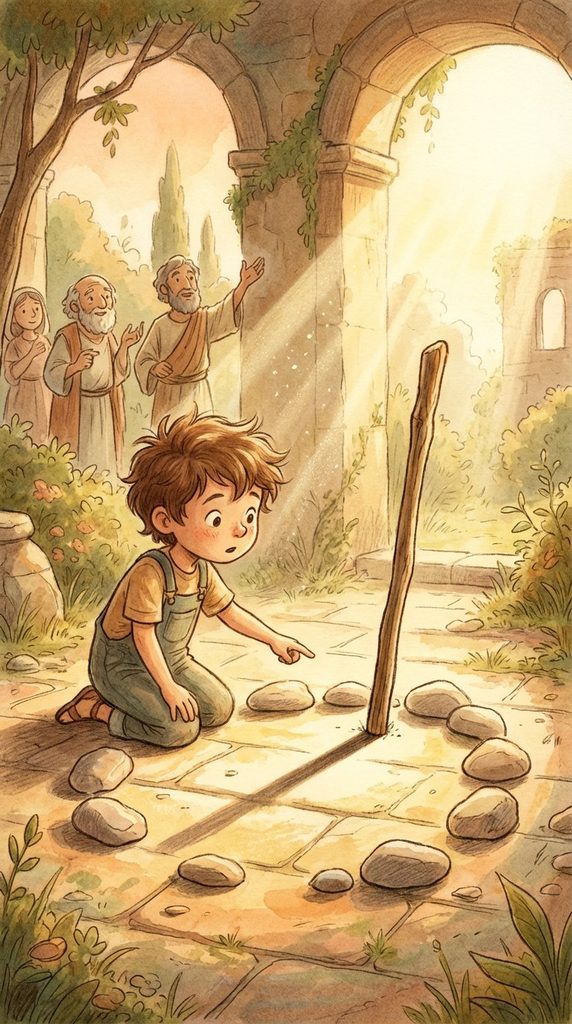
A sundial used the Sun and a shadow to show how time changed during the day.
日晷就是利用太阳和影子,在白天显示时间变化的一种方法。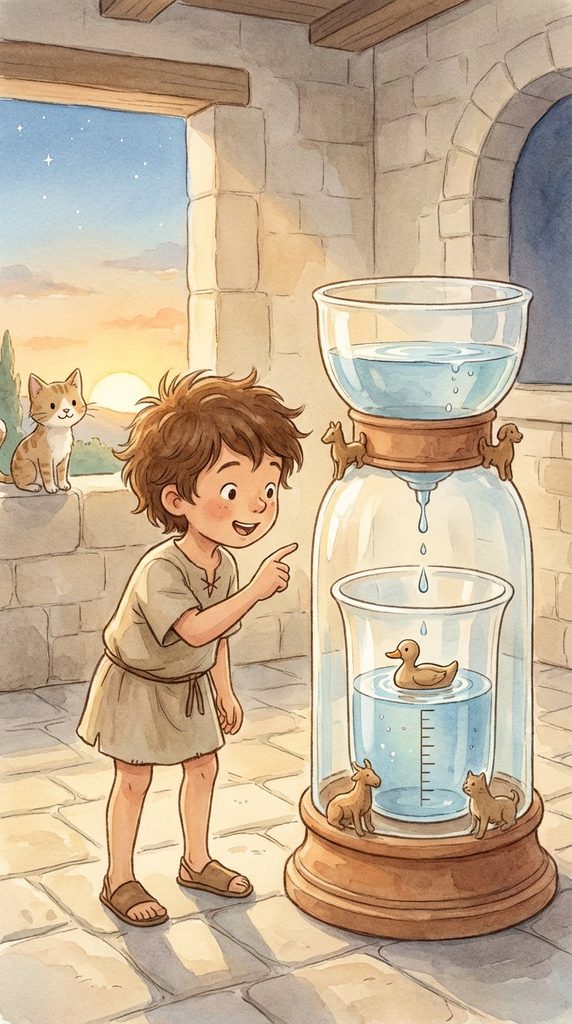
Water clocks measured time by the steady movement of water, which could help even when sunlight was weak or absent.
漏刻会利用水流比较稳定地移动,帮助人们在没有明显阳光时也继续计时。
In some places, people also used candles, incense, or other gradual changes to estimate passing time.
在有些地方,人们还会用蜡烛、香或其他会慢慢变化的东西来估计时间流逝。